Background Stripe Patterns: A Versatile Resource for Creative Projects
Background stripe patterns have become a staple in the world of design and crafting. These patterns offer a clean, structured aesthetic that can be adapted to a wide range of applications. Whether you're working on digital art, card making, or branding materials, background stripe patterns provide a flexible and visually appealing foundation. This article explores what makes background stripe patterns unique, how they compare to other design resources, and when they might be the best choice for your creative projects.
What Are Background Stripe Patterns?
Background stripe patterns are repeating designs composed of stripes—either horizontal, vertical, or diagonal—that create a textured backdrop. These patterns come in various forms, from subtle pastel shades to bold, high-contrast colors. They are often used as a base layer in graphic design, paper crafts, and digital projects to add depth and visual interest without overwhelming the main content.
One of the key features of background stripe patterns is their versatility. They can be customized in terms of color, width, angle, and texture. Some patterns feature retro and vintage grunge styles, while others lean into modern, minimalist aesthetics. This diversity allows creators to match the pattern to the tone and purpose of their project.
Why Choose Background Stripe Patterns Over Other Design Resources?
When considering design resources, it's important to understand the strengths and limitations of different options. Background stripe patterns stand out for their simplicity and adaptability. Unlike more complex textures or intricate patterns, stripe backgrounds offer a straightforward yet effective way to enhance visual composition.
Compared to solid-colored backgrounds, stripe patterns add dimension and movement. They can guide the viewer's eye through a design, creating a sense of flow and structure. In contrast, flat backgrounds may feel static or unengaging. For example, a designer working on a website layout might use a subtle vertical stripe pattern to break up large blocks of text and improve readability.
Background stripe patterns also offer an advantage over more elaborate textures like wood grain or fabric prints. While those can be visually rich, they may not always align with the clean, minimalistic trends that are popular in modern design. Stripe patterns provide a balance between aesthetics and functionality, making them ideal for both professional and personal projects.
Exploring the Range of Styles and Formats
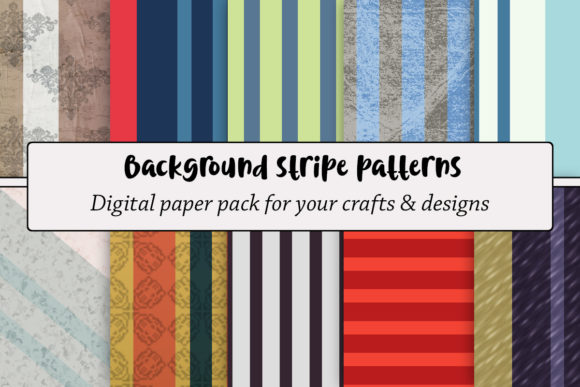
Background stripe patterns come in a variety of formats and styles, catering to different creative needs. High-resolution digital papers, such as a 12x12 inch pack of 10, are a popular choice for crafters and designers who require crisp, printable files. These digital papers are typically available in JPEG format at 300 DPI, ensuring excellent quality for both digital and physical use.
The selection of stripe patterns within a pack can vary widely. Some packs include retro-inspired designs with faded textures, while others focus on bright, geometric lines. There are also options that blend multiple elements, such as combining diagonal stripes with subtle gradients or overlays. This range of styles means that users can find something that fits their specific project requirements.
For instance, a card maker looking to create a vintage-themed birthday card might choose a grunge-style stripe pattern with muted tones and irregular edges. On the other hand, a graphic designer working on a modern branding project could opt for a bold, black-and-white stripe pattern to convey a strong, contemporary message.
Use Cases and Practical Applications
Background stripe patterns are not limited to a single type of project. Their adaptability makes them suitable for a wide array of creative endeavors:
- Card Making: Use stripe patterns as a background for greeting cards, invitations, or thank-you notes to add visual interest without overpowering the message.
- Graphic Design: Incorporate stripe patterns into website layouts, social media graphics, or print materials to create a cohesive and engaging design.
- Paper Crafts: Print stripe patterns onto cardstock or scrapbook paper to serve as a base for collages, scrapbooks, or decorative accents.
- Business Branding: Use stripe patterns as part of a company's visual identity, such as in logos, banners, or marketing materials.
- Digital Art: Apply stripe patterns as a background layer in digital paintings or illustrations to add depth and texture.
Each of these applications benefits from the structured yet flexible nature of stripe patterns. They provide a consistent visual element that can be easily adjusted to suit the project's needs.
Considerations and Limitations
While background stripe patterns offer many advantages, it's important to consider their limitations. One potential drawback is that they may not be suitable for all design contexts. For example, in a highly detailed or artistic project, a stripe pattern might compete with the main visual elements rather than complement them.
Additionally, the effectiveness of a stripe pattern depends on its placement and contrast. If the pattern is too busy or the colors are too similar to the surrounding elements, it may become distracting. It's essential to test different variations and ensure that the pattern enhances rather than detracts from the overall design.
Another consideration is the availability of high-quality, customizable options. While many online stores offer pre-designed stripe patterns, some may lack the flexibility needed for specific projects. In such cases, using a digital paper pack with a variety of styles can provide greater control over the final outcome.
Making the Right Choice for Your Project
Deciding whether to use background stripe patterns depends on several factors, including the project's purpose, audience, and desired aesthetic. For instance, if you're creating a series of promotional materials for a tech startup, a sleek, modern stripe pattern would likely be more appropriate than a vintage-style design.
On the other hand, if you're designing a handmade gift card for a friend, a whimsical or playful stripe pattern might better reflect the personal touch you want to convey. The key is to align the pattern with the overall theme and message of the project.
Ultimately, background stripe patterns are a valuable resource for anyone involved in creative work. Their versatility, ease of use, and wide range of styles make them a go-to option for a variety of applications. By understanding their strengths and limitations, you can make informed decisions about when and how to incorporate them into your projects.