Primitive Border Patterns
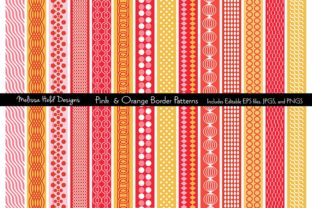
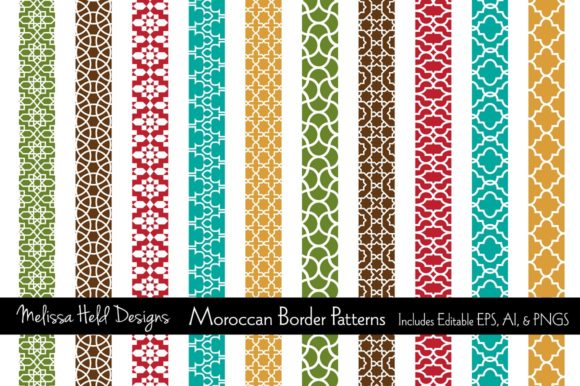
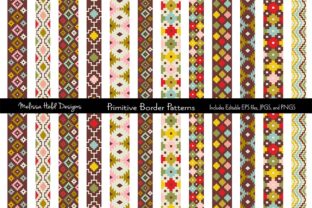
Primitive Border Patterns is a collection of 12 geometric border designs that offer versatility and simplicity for creators across various fields. These borders are all 12 wide and vary in thickness, making them adaptable to different projects. Whether you're designing greeting cards, scrapbook elements, or digital content, these patterns can elevate your work with a clean, timeless aesthetic.
Why Primitive Border Patterns Matter
For anyone involved in creative work, having the right tools can make a significant difference. Primitive Border Patterns provides a straightforward solution for adding visual interest without overwhelming the design. The simplicity of these borders makes them ideal for both beginners and experienced designers who want to focus on the core elements of their projects.
Where and When to Use Primitive Border Patterns
The utility of Primitive Border Patterns spans multiple areas of daily life and professional work. In a personal setting, they can be used to decorate home spaces, create custom wall art, or enhance DIY projects. For educators, these borders can be incorporated into classroom materials, lesson plans, or student projects to make learning more engaging.
In a professional context, creators and entrepreneurs can use these borders to brand products, design marketing materials, or develop templates for clients. Freelancers and small business owners may find value in using these patterns to streamline their workflow and maintain consistency across their outputs.
Real-World Applications Across Different Fields
Let’s explore how Primitive Border Patterns can be applied in practical scenarios:
- Graphic Designers: These borders can be used as background elements in layouts, helping to separate sections of content while maintaining a cohesive look.
- Scrapbookers: Adding a border to a page can frame photos or text, creating a more polished and professional appearance.
- Teachers: Borders can be used in worksheets, presentations, or bulletin boards to highlight key information and make materials more visually appealing.
- Entrepreneurs: These patterns can be integrated into branding materials such as logos, packaging, or social media graphics to reinforce brand identity.
- Bloggers: Using borders in blog posts or infographics can help organize content and improve readability.
- Freelancers: Having access to ready-made borders saves time and effort, allowing creators to focus on the creative aspects of their work.
Benefits for Different Users
The appeal of Primitive Border Patterns lies in its adaptability. Hobbyists might use them to personalize handmade items, while marketers could incorporate them into promotional materials. Each user finds unique value in these patterns based on their goals and needs.
For instance, a small business owner looking to create branded merchandise can use these borders to add a consistent visual element across all products. A blogger might use them to enhance the layout of their website or social media posts, making their content more engaging and organized.
Considerations Before Using Primitive Border Patterns
Before downloading or using Primitive Border Patterns, it's important to consider a few factors:
- Compatibility: Ensure that the file formats provided (EPS, JPG, PNG) are compatible with your design software and intended use.
- License Agreement: Review any terms of use to understand how you can legally apply these borders in your projects.
- Customization Needs: While the borders are pre-designed, some users may prefer to tweak them to better fit their specific requirements.
- Project Scope: Consider how many projects you plan to use the borders for and whether the quantity offered meets your needs.
- Quality of Output: Check the resolution and clarity of the files to ensure they meet your standards for print or digital use.
How to Get the Most Out of Primitive Border Patterns
To maximize the benefits of Primitive Border Patterns, think about how you can integrate them into your workflow. Experiment with different placements, combinations, and styles to see what works best for your projects. Don’t hesitate to mix and match borders to create a unique look that reflects your personal or brand identity.
Additionally, consider how these borders can be layered or combined with other design elements. For example, using a border as part of a larger graphic or template can help unify the design and guide the viewer’s eye through the content.
Conclusion
Primitive Border Patterns offers a simple yet powerful tool for creators, educators, and professionals alike. Its versatility makes it suitable for a wide range of applications, from personal projects to commercial ventures. By understanding how to effectively use these borders, you can enhance your work and achieve better results with less effort.